





What is an IPO? How Initial Public Offerings Work
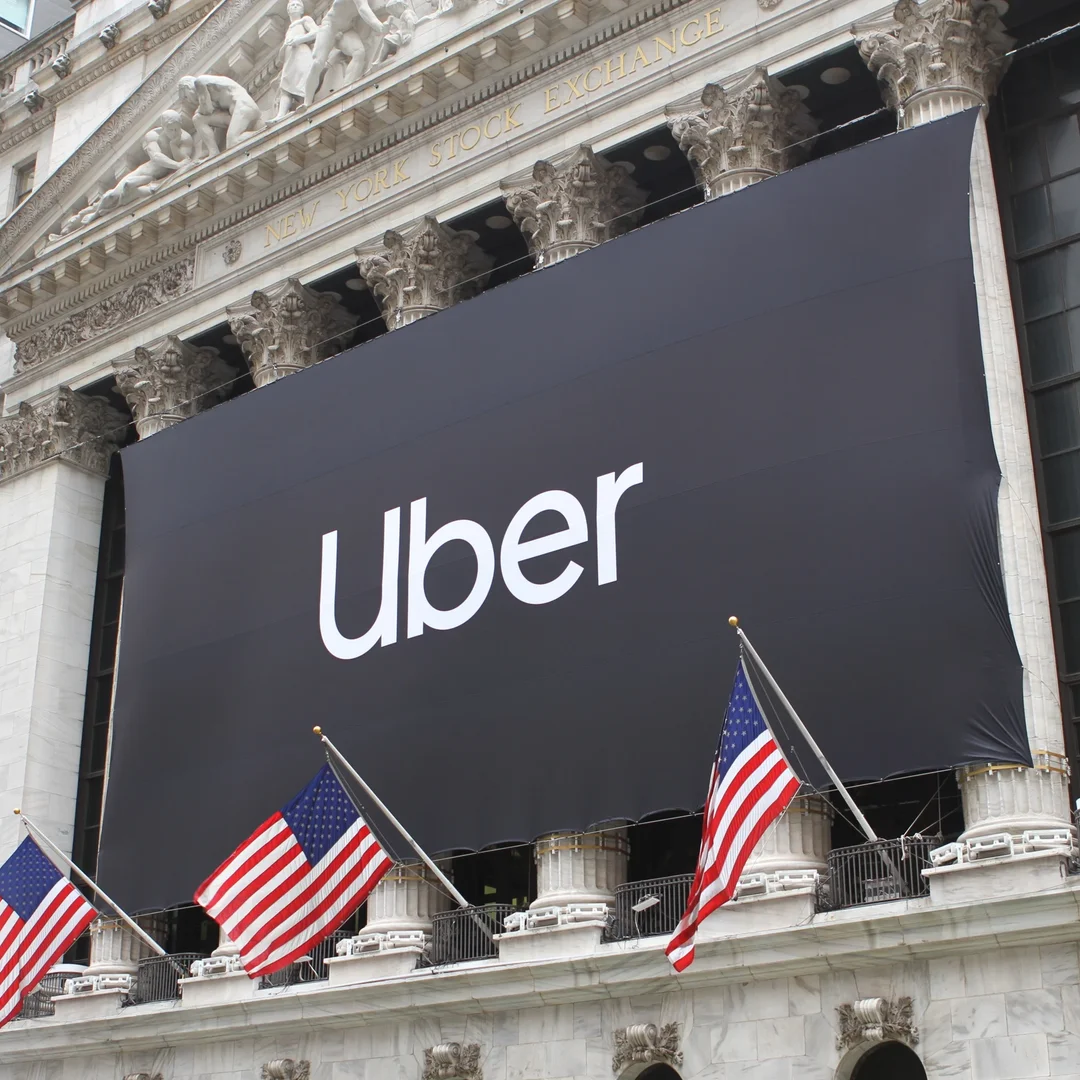
An IPO, or initial public offering, is the first time a private company sells shares of its stock to the public on an exchange such as the Nasdaq or New York Stock Exchange (NYSE). It's the moment a company goes from being privately owned, usually by founders, employees, and early investors, to being publicly traded, where anyone with a brokerage account can buy and sell its shares.
IPOs tend to make headlines, especially when a big name goes public. But there's an honest truth worth knowing up front: Many regular investors can't buy in at the IPO price, and chasing a trending IPO may not always work out. Here's what an IPO is, how it goes from private to public, who really gets shares at the offering price, and a steadier way to think about it all.
Why companies go public
Companies go public mainly to raise money and give early investors and employees a way to cash out. Selling shares to the public can bring in large amounts of capital that a company can use to grow, pay down debt, fund research, or expand into new markets. Going public also creates liquidity, meaning founders, employees, and early backers who held private shares can finally sell some of them on the open market.
A public listing can also raise a company's profile and make it easier to use stock to attract talent or make acquisitions. There are trade-offs too, like new reporting requirements and the pressure of quarterly expectations, which is one reason many companies choose to stay private longer than they used to (more on that below).
How the IPO process works
The IPO process turns a private company into a publicly traded one through a series of steps: hiring underwriters, filing paperwork with the Securities and Exchange Commission (SEC), pitching investors, pricing the shares, and finally listing on an exchange. Here's how it usually unfolds.
- Hire underwriters. The company hires one or more investment banks, known as underwriters, to manage the offering. They help value the company, set the terms, and find buyers.
-
File Form S-1 with the SEC.The company files a registration statement called Form S-1 with the SEC. This document, which becomes the prospectus, lays out the business, its finances, and the risks for investors to review.
- Go on the roadshow. Executives and underwriters pitch large institutional investors, like mutual funds and pension funds, to gauge demand and build interest in the offering.
- Price the offering. Based on that demand, the underwriters and the company set an offering price and decide how many shares to sell. This is the price the very first buyers pay, before any public trading.
- List and trade. On listing day, the stock starts trading on an exchange such as the Nasdaq or NYSE under its ticker symbol. From there, the price moves with supply and demand like any other stock.
The IPO itself happens in the primary market, where the company sells new shares directly to those first buyers. After that, shares change hands between investors in the secondary market, which is what most people mean when they say “the stock market.”
Insiders are also usually bound by a lock-up period after the IPO, often around 90 to 180 days, during which they can't sell their shares. When a lock-up expires, a wave of selling can sometimes push the price down.
Who actually gets shares at the IPO price
Most regular investors can't buy at the IPO price. Those shares are largely set aside for big institutional investors, clients of the underwriting banks, and company insiders. Everyday investors can typically buy once the stock starts trading publicly, often at a more volatile price than the offering price.
That gap matters. The headlines you see about a stock “popping” on its first day describes the jump from the offering price to the public trading price, a move that mostly benefits whoever got in at the offering price. By the time most people can buy, that first-day pop has often already happened.
A few recent offerings have tried to change this. SpaceX's planned listing, for example, has reportedly set aside a portion of its shares for everyday investors through brokerages. Even so, demand for high-profile IPOs usually far outstrips supply, and most retail investors still end up buying in the secondary market after trading begins.
The 2026 IPO wave: SpaceX, Anthropic, and more
After a few quiet years, IPOs are back in a big way. Global IPO activity raised $42.6 billion across 251 deals in the first quarter of 2026, a 45% jump in money raised from a year earlier, according to KPMG. Two names tower over the 2026 pipeline.
As of early June 2026, SpaceX is in the middle of its IPO process. It has reportedly set a price of around $135 per share and is targeting a Nasdaq debut in mid-June under the ticker SPCX, at a valuation of roughly $1.75 trillion, which would make it the largest IPO on record. These details move quickly, so it's worth checking the latest before acting on them.
Anthropic, the AI company behind the Claude assistant, confidentially filed for an IPO in early June 2026, shortly after a funding round valued it at about $965 billion. A confidential filing lets a company begin the SEC review process privately before deciding whether to commit to a public debut.
They aren't alone. Other large private companies, including names across AI and fintech, are weighing public listings, part of a broader pipeline analysts expect to define the year. You can track what's coming on Nasdaq's upcoming IPO calendar.
One reason these companies are so large by the time they go public is that businesses are staying private far longer than they used to. The median company going public in 2025 had been around for about 13 years, up from a median of 10 years in 2018, according to Renaissance Capital data reported by CNBC. More of their early growth now happens before everyday investors can buy in.
Wondering whether you can buy into these companies before they list? We cover that in detail in our guide to whether you can invest in SpaceX or Anthropic before the IPO.
Are IPOs a good investment? The risks to know
IPOs can be exciting, but they can be riskier than what investors expect, and the data suggests chasing them may not always pay off. New public companies have limited public track records, which can cause their prices to swing wildly in the early days or even weeks. The hype around a hot name can push the price well above what the business is worth. A few risks stand out:
- Limited history. With little public financial track record, IPOs are harder to evaluate than established companies
- Day-one volatility. Prices can jump or drop sharply in the first hours and days of trading
- Lock-up expirations. When insider lock-ups end, a rush of selling can push the price down
- Hype-driven prices. Excitement can inflate a price beyond what the company's fundamentals support
History backs up the caution. A UBS analysis using data from University of Florida professor Jay Ritter found that more than 60% of roughly 7,000 IPOs from 1975 to 2011 had negative returns five years after their first day of trading. In other words, buying into IPOs once they're trading has, more often than not, lost money over the following five years.
A systematic way to invest: diversification and time in the market
For most people, the preferred path isn't timing a trending IPO, but about staying diversified and giving your money time to potentially grow. A diversified, long-term approach spreads your money across many companies, and helps balance risk when any of them experience a dip.
It's also hard to beat the broad market by picking individual winners. In 2025, 79% of active large-cap U.S. stock funds underperformed the S&P 500, according to S&P Dow Jones Indices. That's a big reason many investors favor low-cost index funds and ETFs that simply hold the whole market.
There’s other ways to benefit from a great company going public. Broad index ETFs can eventually add newly public companies as they grow and qualify, so having a diversified portfolio gives you exposure to those big names without the single-stock risk of betting on an IPO.
The takeaway is the same one that has served long-term investors: It's about time in the market, not timing the market. Whether you're curious about how to invest in stocks or how to build a diversified portfolio, starting and staying consistent tends to beat chasing the next big thing.
Start investing with Acorns.
Frequently asked questions
What is an IPO in simple terms?
An IPO, or initial public offering, is the first time a private company sells shares of its stock to the public on a stock exchange. After the IPO, anyone with a brokerage account can buy and sell those shares, and the company is considered publicly traded.
How does the IPO process work?
In an IPO, a company hires underwriters (investment banks), files a Form S-1 registration statement with the SEC, pitches investors on a roadshow, sets an offering price, and then lists its shares on an exchange like the Nasdaq or NYSE. Insiders are usually locked up from selling for about 90 to 180 days afterward.
Why do companies go public?
Companies go public mainly to raise money and to give early investors and employees a way to sell their shares. A public listing can fund growth, pay down debt, raise the company's profile, and make it easier to use stock for hiring and acquisitions.
Can regular investors buy shares at the IPO price?
Usually not. Shares at the IPO price mostly go to large institutional investors and insiders, so most regular investors buy once the stock starts trading, often at a more volatile price. A few recent offerings have set aside some shares for everyday investors through brokerages, but demand typically far exceeds supply.
Are IPOs a good investment?
IPOs can be riskier than what many investors expect. A UBS analysis found that more than 60% of about 7,000 IPOs from 1975 to 2011 lost money over the five years after they started trading. For most people, a diversified, long-term approach tends to be more prudent than chasing a hot IPO.


This material has been presented for informational and educational purposes only. The views expressed in the articles above are generalized and may not be appropriate for all investors. The information contained in this article should not be construed as, and may not be used in connection with, an offer to sell, or a solicitation of an offer to buy or hold, an interest in any security or investment product. There is no guarantee that past performance will recur or result in a positive outcome. Carefully consider your financial situation, including investment objective, time horizon, risk tolerance, and fees prior to making any investment decisions. No level of diversification or asset allocation can ensure profits or guarantee against losses. Article contributors are not affiliated with Acorns Advisers, LLC. and do not provide investment advice to Acorns’ customers. Acorns is not engaged in rendering tax, legal or accounting advice. Please consult a qualified professional for this type of service.
For informational purposes only. This is solely intended to provide notification of an available product or service. This is not a recommendation to buy, sell, hold, or roll over any asset, adopt an investment strategy, or use a particular account type. This information does not consider the specific investment objectives, tax and financial conditions or particular needs of any specific person. Investors should discuss their specific situation with their financial professional.
Acorns Invest is an individual investment account which invests in a portfolio of ETFs (Exchange-Traded Funds) recommended to customers based on their responses to the Acorns investor profile questionnaire.
Spare change invested with Round-Ups® is transferred from your linked funding source (checking account) to your Acorns Invest account when activated. Round-Up investments from an external account will be processed when your Pending Round-Ups reach or exceed $5.
The ETFs comprising the Acorns portfolios charge fees and expenses that will reduce a customer’s return. Investors should read each fund's prospectus and consider the investment objectives, risks, charges and expenses of the funds carefully before investing. Investment policies, management fees and other information can be found in the individual ETF’s prospectus.
It is not possible to invest directly in an index. Unmanaged index returns do not reflect any fees, expenses or sales charges.
Investment advisory products and services offered by Acorns Advisers, LLC (“Acorns”), an SEC Registered Investment Adviser. Brokerage products and services are provided by Acorns Securities, LLC, an SEC registered broker-dealer, Member FINRA/SIPC.
Mentions of specific companies are for illustrative and educational purposes only and do not constitute a recommendation to buy, sell, or hold any security. Acorns is not affiliated with and does not endorse SpaceX, Anthropic, or any other third party mentioned in this article.
Past performance does not guarantee future results.
Diversification and asset allocation do not guarantee a profit, nor do they eliminate the risk of loss of principal.
The median company going public in 2025 had been operating for approximately 13 years, up from a median of 10 years in 2018, according to Renaissance Capital data reported by CNBC.
Global IPO activity raised approximately $42.6 billion across 251 deals during the first quarter of 2026, representing a 45% increase in proceeds raised compared to the prior year, according to KPMG.
A UBS analysis found that more than 60% of approximately 7,000 IPOs between 1975 and 2011 generated negative returns five years after their first day of trading, according to a UBS analysis.
Approximately 79% of actively managed U.S. large-cap equity funds underperformed the S&P 500 from 2001-2025, according to SPIVA®.

Stacy Rapacon is a freelance writer and editor, who has specialized in personal finance topics— including investing, saving for retirement, credit, family finances and financial education—since 2007.


